
As David Attenborough approaches his 100th birthday on May 8, attention has turned to the everyday habits that may have supported his remarkable longevity.
Known for bringing the natural world into millions of homes, the veteran broadcaster has shared a surprisingly simple change that plays a role in his continued health—reducing red meat intake.
The shift is not extreme, yet it reflects a thoughtful approach to diet that aligns with growing scientific evidence on long-term wellness.
Over the years, Attenborough has spoken openly about adjusting his eating habits. His approach avoids drastic restrictions and instead focuses on moderation. As early as 2017, he explained, “I have certainly changed my diet. Not in a great sort of dramatic way. But I don't think I've eaten red meat for months.”
This statement highlights a steady, sustainable transition rather than a strict dietary rule.
While not fully vegetarian, Attenborough continues to include cheese and fish in his meals. Even so, he describes himself as having become “much more vegetarian” than expected. This gradual shift reflects a broader understanding of nutrition, where plant-based foods often take center stage while animal products play a smaller role.
Why Cutting Back on Red Meat Matters
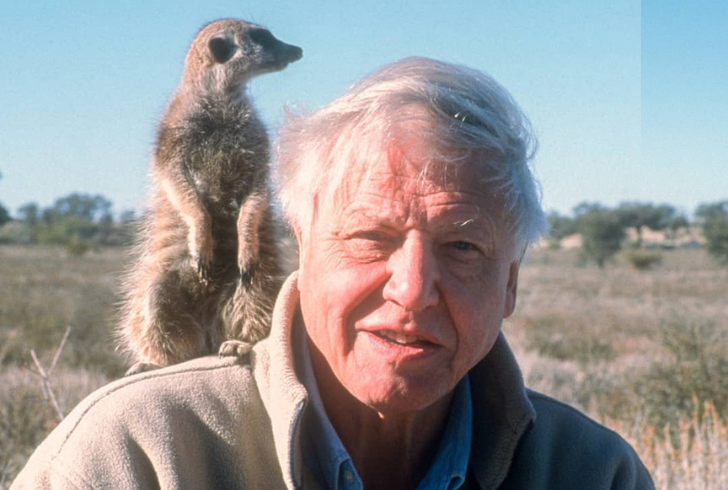
Instagram | @davidattenborough | To support his longevity, David Attenborough has significantly reduced his red meat intake.
Health organizations, including the NHS, have raised concerns about high consumption of red and processed meats. Foods such as beef, lamb, pork, and venison contain significant levels of saturated fat. When consumed in excess, these fats can increase LDL cholesterol, which is linked to heart disease.
Research also connects high red meat intake to a greater risk of colorectal cancer. Studies cited by health experts suggest that reducing these foods can support better cardiovascular health and lower long-term disease risk. This aligns closely with Attenborough’s personal dietary choices, which appear to favor longevity over indulgence.
Experts from Harvard Health Publishing have explored how dietary swaps can influence lifespan. According to Daniel Pendick, former executive editor of Harvard Men's Health Watch, replacing just one daily serving of red meat with alternatives—such as fish, poultry, nuts, or whole grains—can reduce mortality risk by 7% to 19%.
Plant-based diets typically offer several health benefits, including higher fiber intake that supports good gut health, lower calorie density which can help in maintaining a healthy weight, and reduced levels of saturated fat that contribute to better heart health.
These benefits create a strong case for reducing red meat rather than eliminating it entirely. Attenborough’s balanced approach reflects this idea, offering a realistic model that many people can follow.
A Lifetime of Work and Curiosity
Born in 1926 in Middlesex, Attenborough’s career spans more than seven decades. His association with the BBC began in 1952, where he started as a trainee. Over time, he became a central figure in natural history broadcasting and played a key role in introducing color television in Europe while serving as controller of BBC Two.
His documentaries have shaped public understanding of wildlife and ecosystems. Series such as "Life on Earth," "The Private Life of Plants," and "The Blue Planet" continue to influence generations. More recent works like "Secret Garden" and "Wild London" highlight biodiversity closer to home, offering fresh perspectives on familiar environments.
More than 40 species have been named after him, along with a constellation—an indication of his lasting impact on science and storytelling.
As he approaches this milestone, Attenborough has shared candid thoughts about aging. During a 2021 interview with Anderson Cooper, he expressed concern about cognitive decline and the possibility of becoming “helpless” due to conditions like Alzheimer’s disease. These reflections reveal a grounded outlook, even as he remains mentally active and professionally engaged.
He has also spoken about coming to terms with memory loss, acknowledging the natural progression of aging. Despite these concerns, Attenborough continues to contribute to major projects, including his recent program "Ocean," which examines the importance of marine ecosystems.
Balancing Diet Without Missing Nutrients
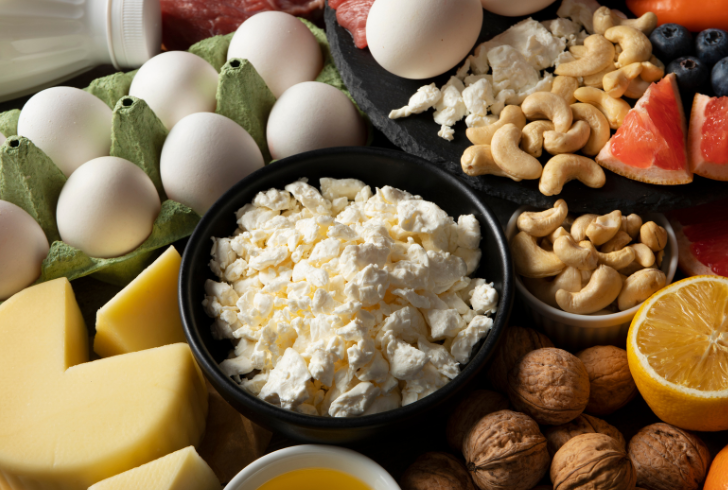
Freepik | Experts recommend diverse protein sources like fish, poultry, dairy, and plants for optimal health.
Reducing red meat requires thoughtful planning to maintain proper nutrition. Protein, iron, and vitamin B12 are essential nutrients often found in animal products.
Health experts suggest adding a variety of alternative protein sources to your diet. These include fish and poultry, dairy products like cheese and yogurt, as well as plant-based options such as beans, lentils, and nuts, all of which can support overall health and nutrition.
Consulting a healthcare professional before making significant dietary changes remains important. A balanced approach ensures that the body receives all necessary nutrients while supporting long-term health goals.
Broader Benefits of Eating Less Meat
Research continues to highlight the advantages of limiting red meat consumption. Diets rich in fruits, vegetables, and whole grains tend to support metabolic health and improve digestion. Fiber plays a key role in maintaining a healthy gut microbiome, which influences overall well-being.
Lower calorie intake from plant-based foods can also assist with weight management. This combination of factors contributes to reduced risks of chronic conditions, including heart disease and certain cancers.
David Attenborough’s approach to diet offers a clear takeaway: small, consistent changes can lead to meaningful health benefits over time. By reducing red meat and leaning toward plant-based choices, he reflects a growing shift supported by science and medical research.
His experience does not rely on strict rules but instead shows how moderation and awareness can shape long-term wellness. As he reaches 100, this balanced perspective stands as a practical example of how everyday decisions influence health across a lifetime.