
A shift in environment can quietly reshape everyday habits. Food, in particular, reflects culture, routine, and mindset. Two individuals, Ethan and his partner, experienced this shift firsthand after spending extended time in Europe during their early adult years.
What began as a temporary change in lifestyle gradually turned into a long-term approach to grocery shopping and meal planning—one that now emphasizes freshness, flexibility, and reduced waste.
Both individuals were raised in suburban immigrant households where abundance defined food culture. Kitchens often included two refrigerators and two freezers, all filled with bulk purchases made during weekly car trips. Pantries held duplicates of nearly every item. This approach carried a sense of preparedness. Unexpected guests were always welcome, and meals could be extended without concern.
At the same time, this system had its drawbacks. Large quantities of stored food increased the risk of waste, especially during power outages or when items expired unnoticed. The idea of “more is better” shaped habits early on, yet it also created inefficiencies that went largely unquestioned.
A European Influence on Food Choices
Time spent in Italy during their 20s introduced a new rhythm. Living in cities like Florence and Venice, access to local markets encouraged smaller, more frequent grocery trips. Meals were no longer planned around stocked shelves but instead around what was fresh and in season.
Cooking became an experimental process. Ingredients were selected based on availability rather than pre-written lists. This approach encouraged creativity and a deeper understanding of food. Seasonal produce, fresh seafood, and local specialties shaped meals in a way that felt both intentional and adaptable.
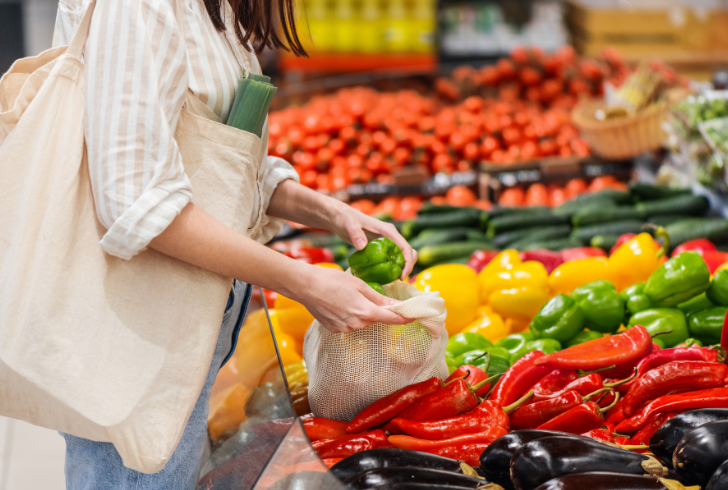
Freepik | Local market access turned grocery trips into frequent, seasonal inspirations for creative cooking.
Later, while pursuing an international master’s degree across Europe, this routine became more personal. Visiting open-air markets turned into a daily habit. Observing local vendors, listening to conversations, and gradually engaging with them built confidence and familiarity.
Over time, shopping became less about necessity and more about connection and discovery.
After nearly two decades, life returned to Montreal, yet many of the habits formed abroad remained intact. Instead of reverting to bulk shopping, the focus stayed on smaller, local purchases. Open-air markets and neighborhood fruit stores replaced large retail chains whenever possible.
Pantries and freezers are now kept minimal. Only essential staples are stored, while most ingredients are purchased daily based on meal decisions. This method may not always reduce costs, but it improves clarity and control over food consumption.
Daily Shopping as a Lifestyle Choice
Living in a walkable city supports this approach. Grocery trips are often done on foot, adding physical activity and fresh air to the routine. What might seem like a chore in other settings becomes a moment of pause and reset during the day.
Daily decision-making around meals also allows flexibility. Instead of sticking to a fixed weekly plan, meals are chosen based on mood, appetite, and energy levels. This adaptability proves especially helpful for individuals managing health conditions, such as endometriosis, where dietary needs can shift from day to day.
There is also a relational benefit. A quick message or call in the afternoon to decide dinner creates a small but meaningful point of connection. When one person feels overwhelmed, the other steps in with suggestions, keeping the process collaborative rather than stressful.
Reducing Food Waste Through Simplicity
One of the most noticeable outcomes of this lifestyle is a significant reduction in food waste. Buying only what is needed for the day prevents overstocking and forgotten items. Refrigerators remain organized, and ingredients are used at their peak freshness.
This system also removes the pressure of committing to meals days in advance. If dietary preferences change or energy levels drop, there is no guilt tied to unused ingredients. Food becomes something that supports well-being rather than a rigid plan that must be followed.
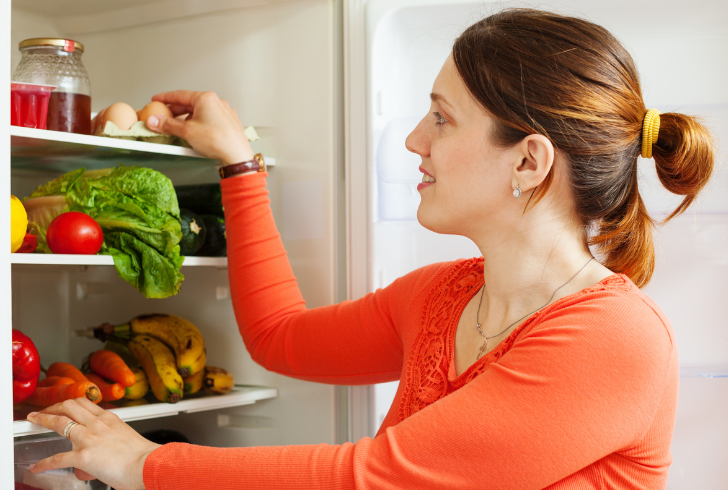
Freepik | Buying only what you need daily prevents overstocking and keeps your kitchen waste-free.
Keeping a streamlined kitchen also improves visibility. Knowing exactly what is available eliminates unnecessary purchases and simplifies cooking decisions.
It is important to note that this lifestyle depends on certain conditions. Living in a walkable area with access to local markets makes daily shopping practical. Preparing meals for two people also simplifies portion control and planning.
Even so, the underlying principles can be adapted. Prioritizing fresh ingredients, reducing bulk purchases, and staying mindful of consumption can work in various settings. The key lies in shifting focus from quantity to quality and from routine to intention.
A New Relationship With Food and Time
Meal preparation has also taken on a different pace. Cooking is not rushed. Time spent in the kitchen often includes conversation, music, and shared moments. One guiding rule shapes the experience: meals should take as long to eat as they do to prepare. This encourages slower eating and greater appreciation for each dish.
Despite encouragement from family members to return to bulk shopping, this approach remains consistent. Groceries are carried home by hand, quantities stay small, and purchases remain deliberate.
Long-term exposure to different food cultures can quietly reshape priorities. What began as a practical adjustment during time abroad evolved into a lasting lifestyle centered on freshness, flexibility, and mindfulness. Smaller, more frequent grocery trips reduce waste, support better health, and create space for meaningful daily routines.
While not every household can adopt this system fully, its core ideas offer clear value. Choosing quality over quantity, staying aware of consumption, and aligning food habits with personal well-being can make a noticeable difference.
Over time, these small shifts build a more balanced and sustainable way of living—one meal at a time.