
In the future....Wait! It is the future. These days technology is so advanced that everyday new inventions are made and technological advances take place. A lot of thought is behind all of this but also inspiration. Sci-Fi movies, TV shows and books definitely influenced the world today technologically and it really is interesting to see where it all begun!
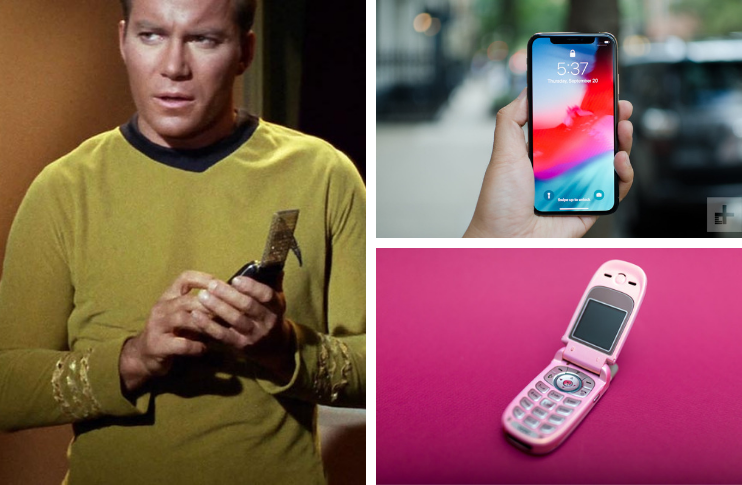
Cell Phone - Star Trek
[the_ad id="14919"]
No one can argue that the Star Trek franchise is one of the most brilliant and awe inspiring creations of mankind in the entertainment industry. Apart from a gripping story line, and on point acting displayed by all the actors, Star Trek also includes a number of crazy sci-fi inventions that speak of a modern, updated world. In an era when all of our communication devices were hooked to the wall with a wire, Star Trek showed Captain Kirk using a handheld device to communicate with others. This resembled a modern day flip phone. After watching that scene, Martin Cooper went on to invent the first ever mobile phone. His talent, intellect and skill was so great that cell phone were able to become a celebrated reality less than 20 years after Star Trek aired.
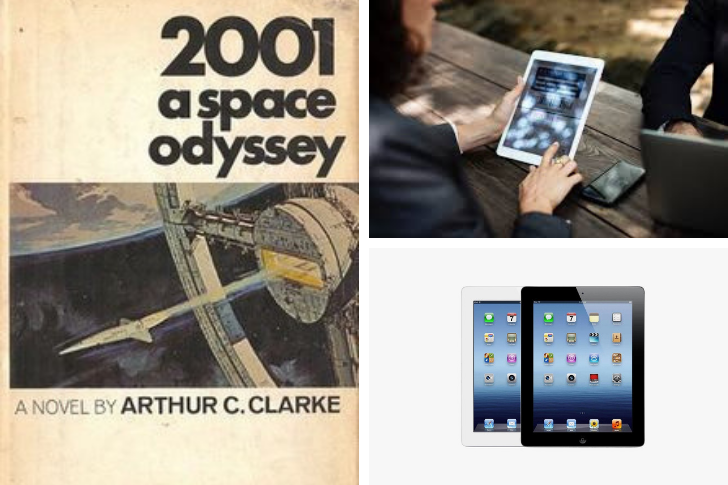
Tables - 2001: A Space Odyssey
[the_ad id="14919"]
Having the remarkable invention, we often forget to think about what we would do without the existence of tablets. Easy to use and even easier to travel with, tablet have contributed on making our lives much more comfortable and ironically, simpler. However, hand-held computers were a concept that people would only dream about at first. In science fiction novels, TV shows and movies, we can see the first few conceptions of their idea, like in 2001: A Space Odyssey, we can see a character using a hand-held touch computer. These fictional ideas were the very thing which went on to people actually creating them. Now, we have tablets in an abundance from a variety of different companies, like Apple and Samsung.
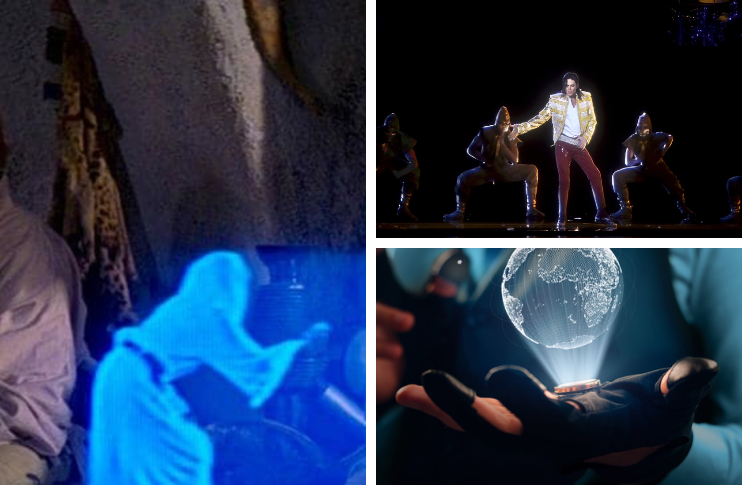
Holographic Communications - Star Wars
[the_ad id="14919"]
To be able to communicate with a person like they were actually there in their 3-D form rather than a plain 2-D image is something we all wish for at certain point of our life. The prospect of it seems fascinating and awfully exciting. Holograms have only been a concept for the longest amount of time. The first ever conception of Hologram Performances was seen in Star Wars: A New Hope where the character of Princess Leia is projected out of R2D2. However, through the use of the modern technology and the overall intellect of humans, Holographic performances have now been shifted away from just fiction into fact. Scientists have been able to study its concept and derive an actual, real and functioning holographic system. In 2014, a holographic Michael Jackson was even used for a performance.
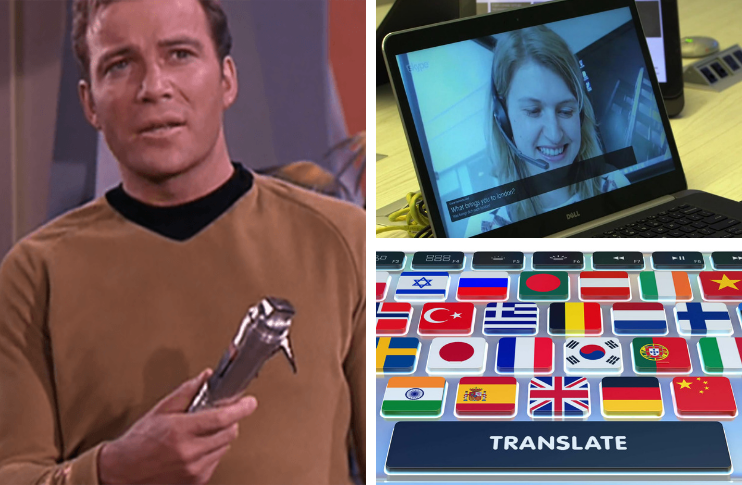
Universal Translators - Star Trek
[the_ad id="14919"]
Another awfully fascinating device that we first saw in Star Trek: The Original Series is a Universal Translator that the characters use in order to understand the language of the inhabitants of another galaxy. Similarly in reality, due to their existing a variety of languages, we are often faced in a situation where we have no idea what the other person is saying. Taking inspiration from the Universal Translators shown in Star Trek, Skype went on to successfully develop a software similar to it. The software allows real time translation and even displayed text. For our comfort, it is also available on mobile apps. However useful, it does not perform perfect translations as of yet but it has successfully embarked the technology into its direction.
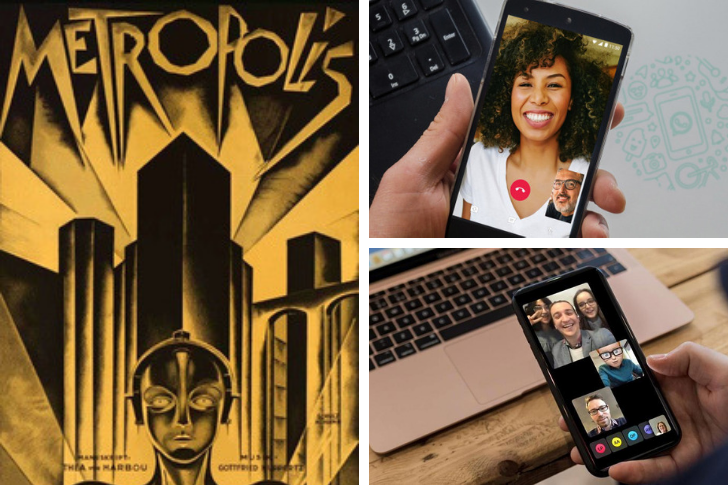
Video Calls - Metropolis
[the_ad id="14919"]
Today, whenever we are missing a loved one or wish to have a formal "face to face" conversation with anyone, we do not think about how life would be like if we didn't have the technology of video calls. Through video calls, we receive an experience which is similar to the person actually being there and talking to us in real time. This idea for video calls was also first seen in the sci-fi movie, Metropolis, back in 1927. Over the years, it started to appear in a number of science fiction movies and TV shows, including 2001: A Space Odyssey and Blade Runner. Inspired from these ideas, today we have a wide range of software, applications and devices which allows us to video call another person like, Skype, Apple's FaceTime, Whatsapp, etc.
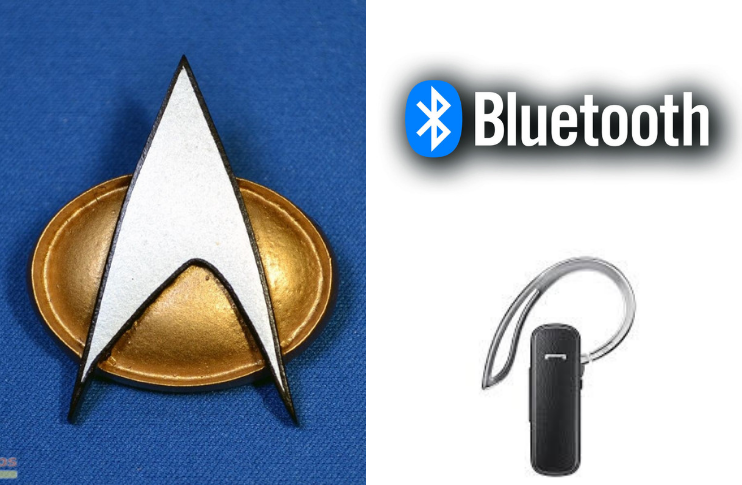
Bluetooth Devices - Star Trek
[the_ad id="14919"]
Bluetooth devices today are a blessing for us all. No more do we have to worry about the never ending, tangled mess of wires which refuses to co-operate. However, there was a time when Bluetooth devices were not a reality at all. In fact, their existence was limited to a dream, an idea and work of fiction. In the Star Trek series, we see characters wearing a device in their ears or on their uniforms which function as communicators, even at a great distance. This very example and idea sparked the invention of a very real and fully functioning Bluetooth device which we now wear in our ears. Come to think of it, Star Trek has really given way to a lot of inventions that have now aided in making our lives more comfortable and easy.
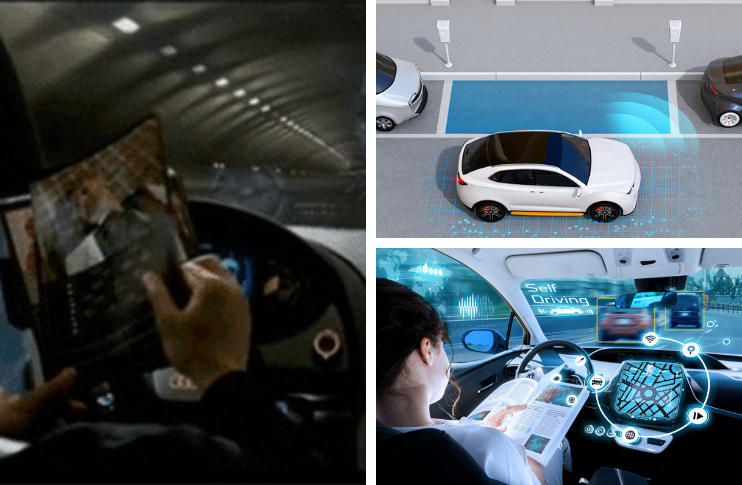
Self-Driving Cars - iRobot
[the_ad id="14919"]
How many times are we too exhausted to drive through a long commute to get to a destination? Moreover, how many times during traffic have we wished that someone could take the wheel because of the stress? With the same sentiments, many science fiction novels, TV shows and movies envisioned a future where people did not need to drive their cars themselves anymore - but rather, the cars were self-driving and the individual only had to sit. With modern technology and intelligence, these cars would smartly drive the fictional characters around the road and there would be no accidents. What a future! Nevertheless, only a product of our imagination — or is it? Google is actually testing self-driving cars right now! Of course, it's going to take some time before the public actually has access to it but until then we will just wait.
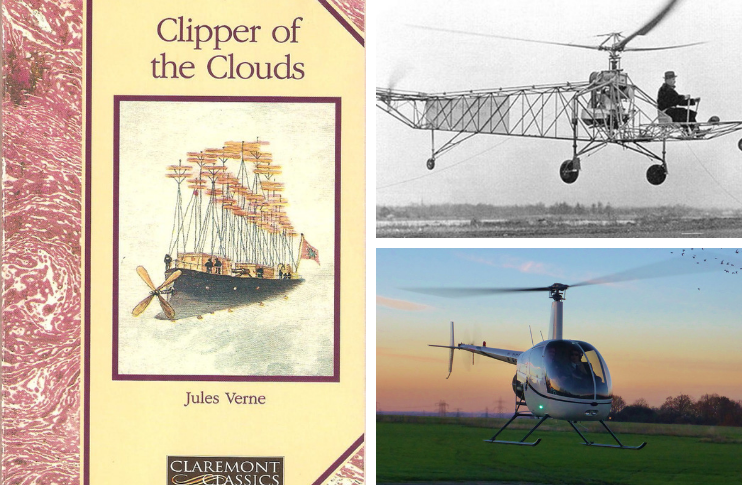
Helicopters - Clipper Of The Clouds
[the_ad id="14919"]
Helicopters are truly an amazing invention which has allowed mankind to travel far distances. The important difference between these helicopters and planes is that a helicopter can literally land and fly from anywhere as it does not need a runway. If an individual is rich enough, then owning a helicopter is definitely quite useful. However, back in the time when helicopters did not exist and their first ever mention was in the novel, Clipper Of The Clouds, a young reader by the name of Igor Sikorsky was inspired from the words and grew up to invent the world's first ever helicopter. Good novels are food for the brain and children should be encouraged to read them, bringing forward great inventions like this.
Electric Cars – Stand on Zanzibar

[the_ad id="14919"]
Brunner’s depiction of America in the year 2010 includes motor vehicles that are powered by rechargeable electric fuel cells. He says, “It’s supposed to be automatic, but actually you have to push this button.” The publication of Stand on Zanzibar coincided with an increasing demand of cars and the Interstate Highway construction program. These days, the question is how long it will take them to become main stream and the answer seems to be: soon. Tesla and Volkswagen have both announced plans to produce over one million electric vehicles per year by 2025, and Volvo has stated that come 2019, all of its new models will be either hybrids or battery-powered. The interest in electric has increased due to growing concern over the problems associated with hydrocarbon-fueled vehicles, including damage to the environment caused by their emissions, and the sustainability of the current hydrocarbon-based transportation infrastructure.
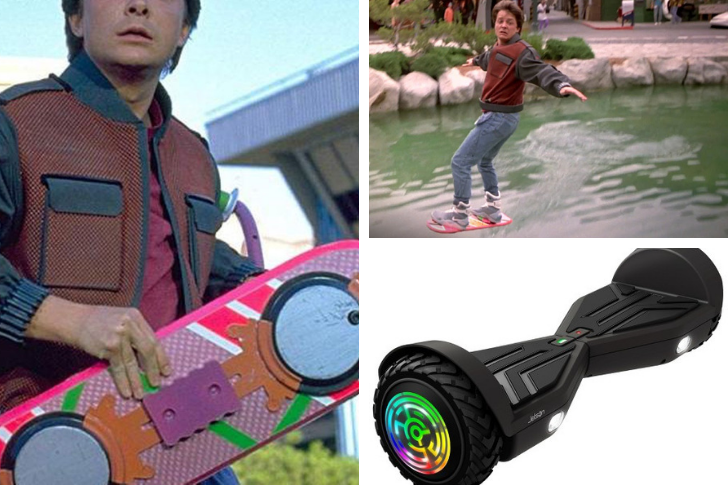
Hover board – Back to the Future II
[the_ad id="14919"]
Back to the Future 2 captured our imaginations with the hover board. A hover board is a skateboard without the wheels. It defies gravity, allowing the rider to zoom above the ground. To turn on a hover board, you simply lean as if you were on a normal skateboard. Shortly after the film hit theaters, a myth circulated that the hover boards in the film were real products -- they even had the Mattel logo on them. However, that only remained a rumor for a long time. In 2015, the Hendo hover board, invented by Greg Henderson and launched with the help of his wife, Jill, nearly broke the Internet. Despite the popular opinion, Hover boards are quite practical for their use as a source of increased mobility in daily life and especially at work.
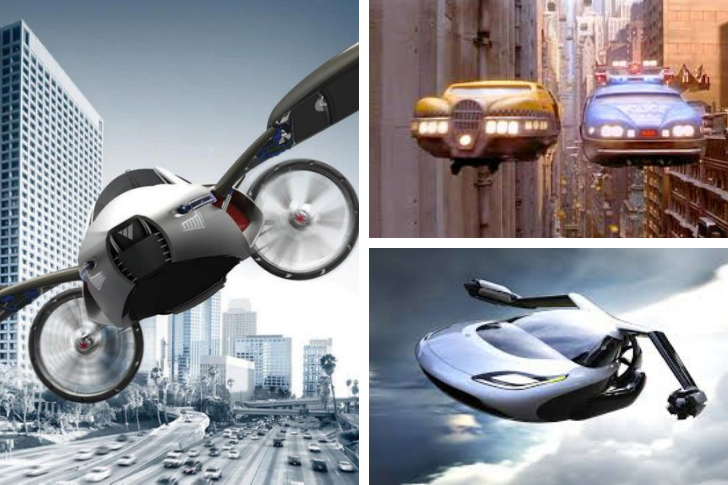
Flying cars – The Fifth Element
[the_ad id="14919"]
The Fifth Element’s flying car chase spurred an interest in many towards piloting their very own metal birds. Aircars have been found as early as 1871 (New York Times). Aerocars appeared in science fiction as early as 1929.The first working flying car was probably Waldo Waterman's 1937 Aerobile. It had a wingspan of 38 feet and a length of 20 feet 6 inches. A Studebaker engine provided power for flight as well as on-road driving. Flying cars were planned to enter Russian market in 2018. A flying car capable of widespread use must operate safely within a heavily populated urban environment. Ride-sharing giant Uber is working on the electric eCRM-003 eVTOL, with first tests expected by 2020, and very limited UberAir service trials by 2023 (Los Angeles, Dallas, third international city), with 50 vehicles serving five skyports per city.
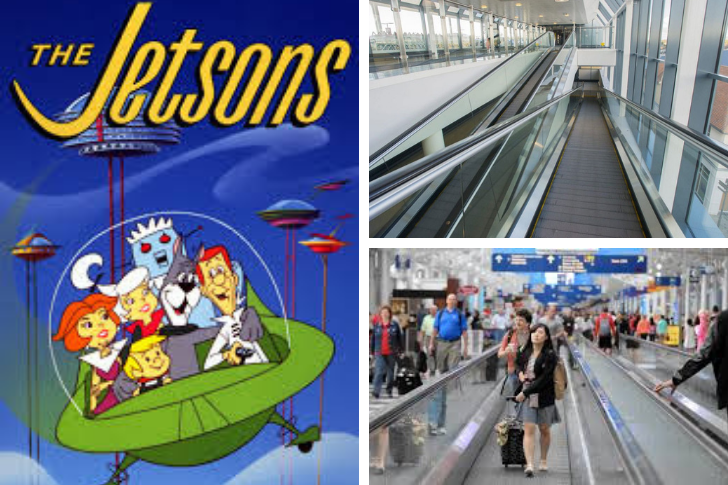
Flat Escalators – The Jetsons
[the_ad id="14919"]
The Jetsons seemed to travel almost entirely by my moving walkway – through the house and into the office. The inspired the real-world moving sidewalks which were invented in New Jersey by a wine merchant named Alfred Speer, who received the first patent for one in 1871. A half-century later, the moving sidewalk reared its head again when smaller-scale versions showed up in sprawling airports and train stations. Inclined travelators often have special shopping carts equipped with a brake that engages wheel magnets to keep the cart in place on smooth surfaces, or wheels that secure themselves within ramp-grooves. They are very practical at airports for moving walkways to more speedily move passengers with heavy luggage the increasingly long distances between concourses and the terminal or terminal to parking and transport stations.
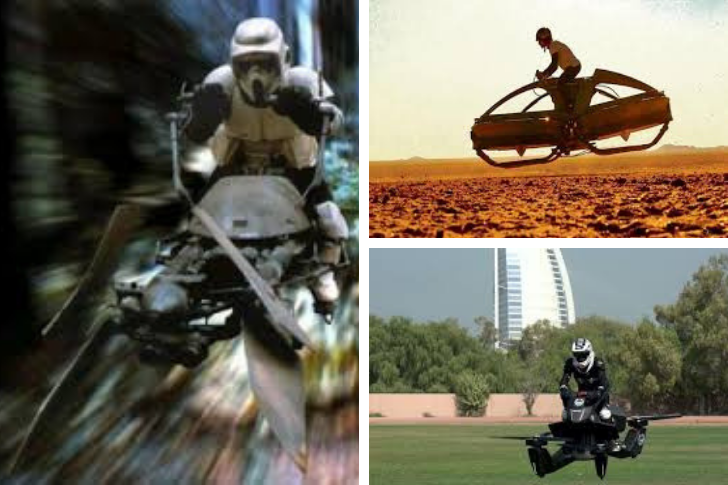
Hover Bikes – Star Wars
[the_ad id="14919"]
Star Wars speeder bikes may have been the fastest way to escape from storm troopers but it may soon be the fastest way to get around town. Inspired by the movie, California-based Hoversurf delivered the first production model of what the company calls the world's first legal personal drone to the Dubai police force. The Hoverbike S3 2019 is an electric vertical take-off and landing (eVTOL) vehicle with a $150,000 price tag. The Hoverbike S3 takes two-and-a-half hours to charge, and can fly from 10 to 25 minutes with a single rider, or up to 40 minutes in drone mode (remote-controlled from the ground). Under electric power, it can fly a pilot at up to 70 km/h (43 mph) with a programmed maximum height of 5 meters (16 ft). It'll also fly unmanned with a top speed closer to 100 km/h.
Voice Activated Computers - Multiple '80s Movies
[the_ad id="14919"]
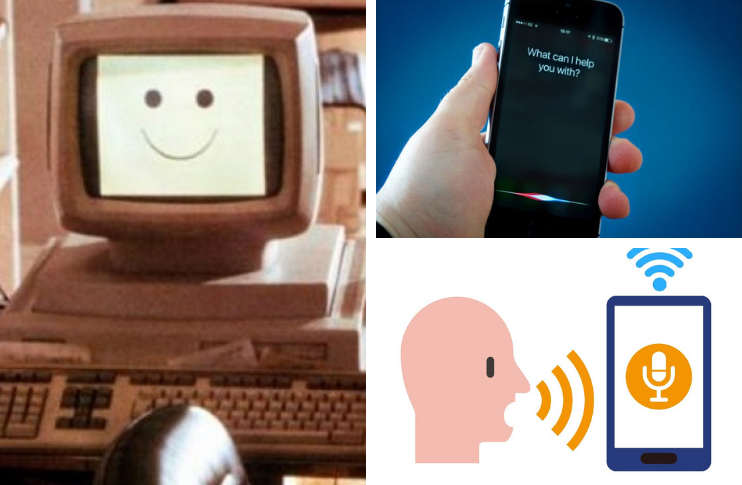
Growing up, all of us were fascinated with voice activated computers that we saw in various different movies. Whenever a character was in need of anything, they would simply just ask the computer and then the computer would search through its data to and provide an answer. Of course, we wanted that technology for ourselves considering the comfort that it would bring us and luckily, some smart minds thought so too for they went on to invent it. Now, all of us have a version of it existing in our phones like Apple's Siri which was a breakthrough in the world of modern technology. Hopefully, in the future, this technology would be further modified to represent something like J.A.R.V.I.S, the AI that Tony Stark used in the Iron Man movies.
Smartwatches - Dick Tracy (Comics)
[the_ad id="14919"]
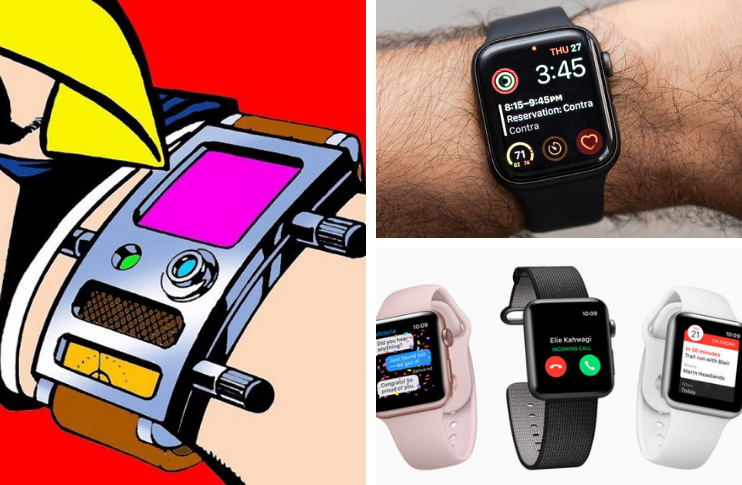
Like Bluetooth devices, Smartwatches have also impacted our daily lives by making it more comfortable and easy. The portable and quite easy to carry watches are rather like a dream come true. Now, answering calls and messages, along with performing basic things that we use the phone for is almost no work at all! However seemingly essential now, there was a time when smartwatches were just a concept, an idea in a very creative person's mind. The first time the world saw this idea was in the Dick Tracy comics. Inspired from the comics from the 1940's, Smartwatches began to appear in other science fiction movies and TV shows like Men In Black and James Bond. Today, the watches are no longer fiction but have become a reality through Apple's Smartwatch.
Gesture Operated UI - Iron Man
[the_ad id="14919"]
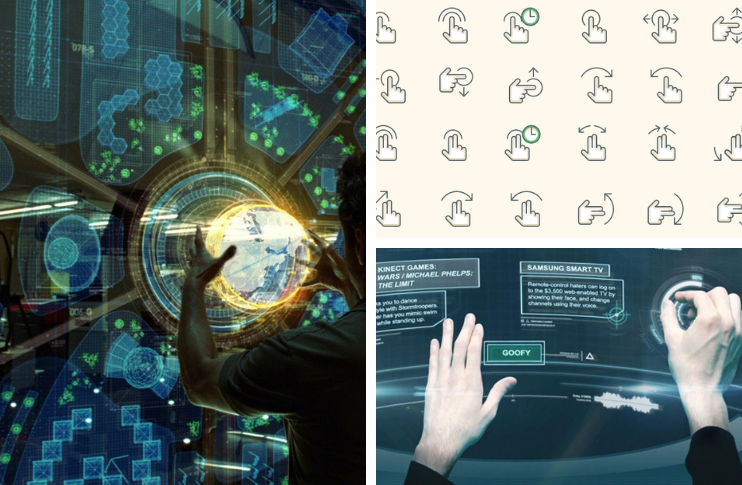
Gesture Based UI has been the object of each and every one's envy ever since we first saw it on screens. Every time that Tony Stark would go on to use his Gesture operated computer in Iron Man, we all would wish that we had it too. Even quite recently, the idea that something so fantastic could exist in real life was just a dream. We thought that touch screens were the height of it all. However, today, several companies are developing computers that can be controlled via the user's hand movements and hand gestures. Of course, it might take some time before they become common household items but until then, we will keep on trying to wait patiently for the brilliant technology.
Robots - Rossum's Universal Robots
[the_ad id="14919"]
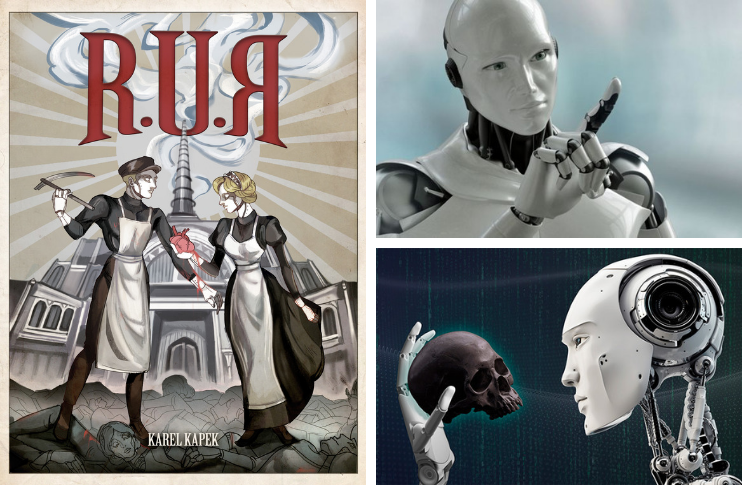
Often times when we are tired or are faced with tiring tasks, we wish that we had some Artificial Intelligence robots that could finish up our work for us or just do simple tasks like fetching an item from another room. The thought of having mindless workers who do not feel exhaustion or any emotion is fascinating and have existed in fiction for a long time. The most famous mention of robots is in the novel, Rossum's Universal Robots. Taking inspiration from the fiction, many scientists went on to develop the world's first robots. However, we will keep on hoping that the last bit of the novel does not come true where the robots overthrew the race of humans — that is an idea we wish will forever stay limited to fiction.
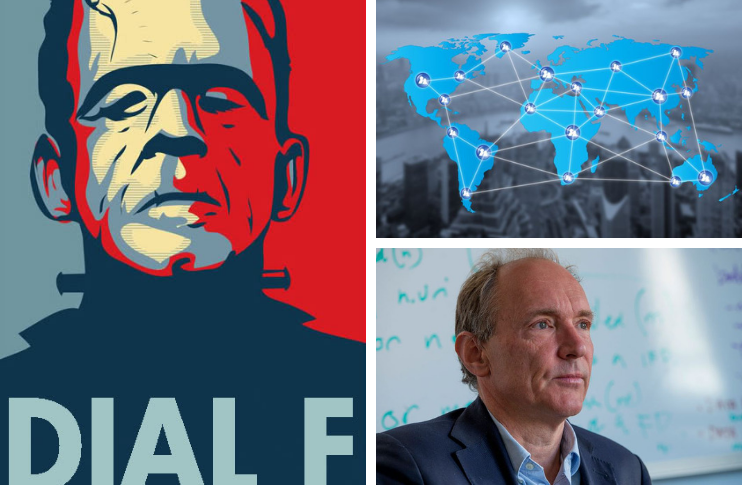
The World Wide Web - Dial F For Frankenstein
[the_ad id="14919"]
Many technologies that we see today have been inspired from science fiction novels, or other novels containing some form of science type imagination. One of the greatest technologies that we have and use every day today is the World Wide Web. Through the World Wide Web we are able to connect with the rest of the world in real time and also have a lot of entertainment through various of different websites. The idea for world wide web came to Tim Burners-Lee in his childhood after he read an issue, Dial F for Frankenstein. In that story, there were many telephones that were connected in such a way that they formed a network. Taking this as a basis, when Tim Burners-Lee grew up, the invented the World Wide Web which remains to be one of the greatest inventions.
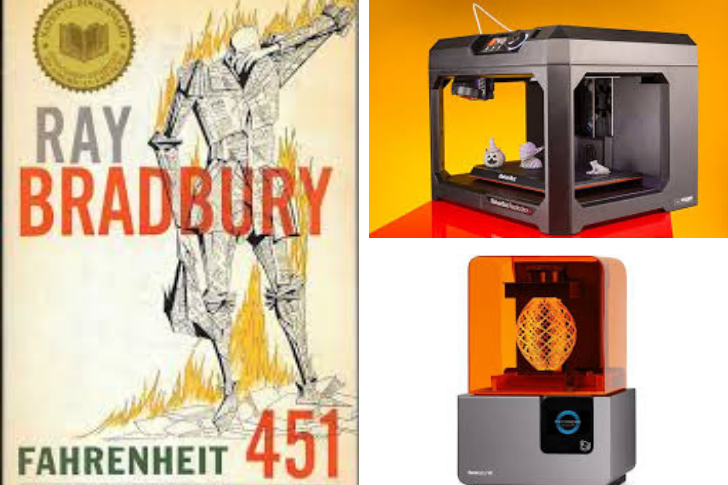
3-D printer - Fahrenheit 451
[the_ad id="14919"]
Ray Bradbury’s novel Fahrenheit 45, features the first 3D printer, which is used throughout the novel to print tools, weapons, and other supplies on the fly. 3D printing is an exciting technology inspired by the novel that in recent years has come to the forefront of conversations about digital fabrication and production in many sectors of industry. The kind of plastic used for 3-D printing can be broken down into their constituent fibers and reused in 3D printing. Therefore, it doesn’t further harm the environment. The biomedical applications of 3D printing are some of the most exciting developments in the technology. From prosthetics to printing working organs, the degree to which 3D printing inventions change the biomedical solutions is truly staggering. The applications to different areas of life have the potential to drastically change and improve the way we do things.
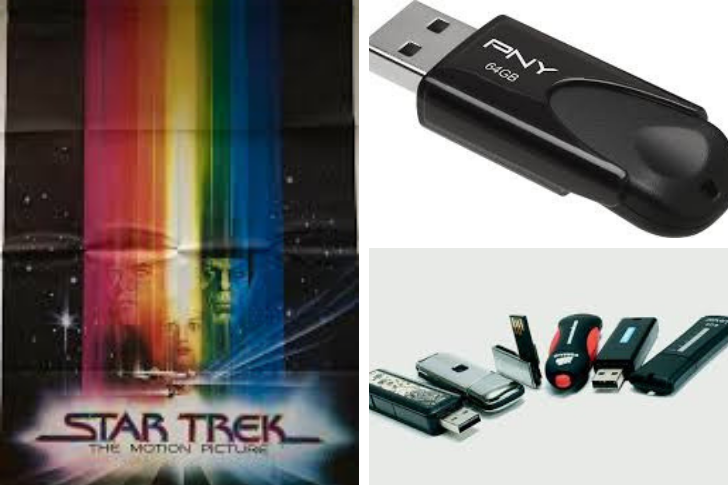
USB Drives – Star Trek
[the_ad id="14919"]
Star Trek: The Next Generation introduced characters who used some chips that hold gigabytes of information. They called it an isolinear chip. The design of the flash drives used in the film is very close to the USB drives that we use now. Inspired by this, the first USB drive appeared on the market in late 2000, as with virtually all other computer memory devices, storage capacities have risen while prices have dropped. USB Drives are immune to electromagnetic interference (unlike floppy disks), and are unharmed by surface scratches (unlike CDs). They use the USB mass storage device class standard, supported natively by modern operating systems such as Windows, Linux, macOS and other Unix-like systems, as well as many BIOS boot ROMs. With USB 2.0, USB Drives can support can store more data and transfer faster than much larger optical disc drives.
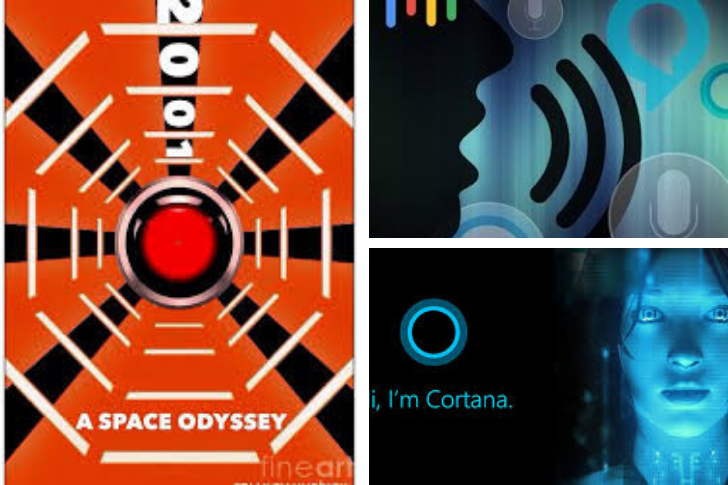
AI assistant - 2001: A Space Odyssey’s HAL 9000
[the_ad id="14919"]
Lots of science fiction in the past has showcased computers whose principle functions could be operated via voice, the idea of a voice-activated artificial intelligence. In 2001: A Space Odyssey’s HAL 9000, the sentient A.I. which controls the systems of the Discovery One spacecraft and interacts with (not entirely in the best interests of) the ship’s astronaut crew. HAL is by far the more iconic appearance of this Technology. Inspired by that, the technology was introduced to a mainstream audience for the first time with the iPhone 4s in 2011 (although there had been research projects before then), and it’s only grown from there. In 2019, the smart speaker product category is hotly contested by Google, Amazon and Apple, and can be used to do everything from searching for information to controlling the various features in your smart home.
Virtual Reality Experience Devices - The Matrix
[the_ad id="14919"]
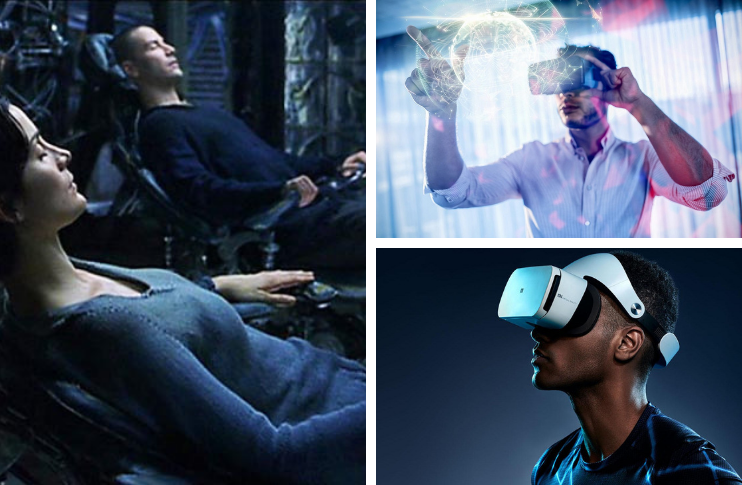
We know a lot of fictional world where we wouldn't hesitate to transfer ourselves into, if only for a moment. However convincing movies might be, in the end we know that we ourselves are not walking in that world. In countless of science fiction movies, we have often observed a device which allows the wearer to feel like they are actually in another reality, like in The Matrix. Of course, these devices became an object of our obsession quite soon and from this idea, Virtual Reality devices were born. Today, Samsung has successfully created the first ever virtual reality device which is known as Oculus Rift. Judging from the infinite experience opportunities, none of us can wait to get our hands on it!
Digital Billboards - Blade Runner
[the_ad id="14919"]
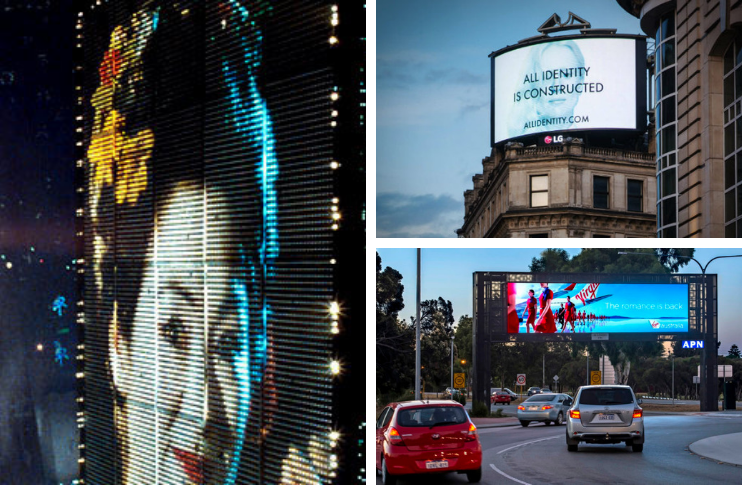
Whenever we envision a technological future, we always think of a flashy lights and flying technology at every corner of the space. Through this imagination, Blade Runner gave us the look into a fictional future full to the brim with flashy technology devices, flying crafts and even digital billboards. Around the time of the release of the movie, digital billboards were just a mere idea or a fantasy. Through this fictional world, we human were able to develop and invent actual digital billboards that everyone can see on almost every road at any corner of the world. These billboards are not only more attractive, they are quite vivid as well. If you have a business or any product that you wish to sell, displaying it on a digital billboard is probably the best idea now as it will attraction the necessary attention.
Virtual Worlds - Snow Crash
[the_ad id="14919"]
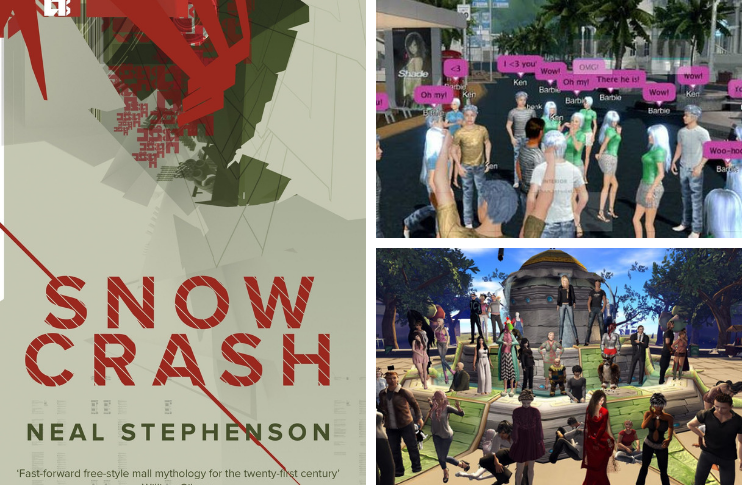
In today's world, we have a lot of software and games which include another virtual world or reality. In these games we are able to have an avatar and roam around in a technological world, interacting with other people in real time but rather like our characters. While we may be so used to these virtual realities that we may not stop to think of a boring life without it, some time ago, people only knew of this world through fiction. In a brilliant novel, Snow Crash, there exists a Metaverse which is essentially like the virtual worlds that we see today. The idea of the Metaverse gripped a software developer, Philip Rosedale who went on to invent the first ever virtual world known as "Second Life."
Earphones - Fahrenheit 451

[the_ad id="14919"]
Each and every one of us listening to our own music or watching videos of our own interest without the other people having to hear the loud sound through the aid of earphones is a blessing that we often do not think about. Moreover earphones today have become such a major part of our lives that if we fail to find our earphones at some point, we start to panic. They are the ultimate best friend for long and boring car rides. An amazing fact about them is that at first they existed only in the works of fiction by brilliant writers like in the novel Fahrenheit 451, people go on using "sea shells" and "thimble radios". Fiction can inspire a great deal of reality.
Apple’s QuickTime - Star Trek
[the_ad id="14919"]
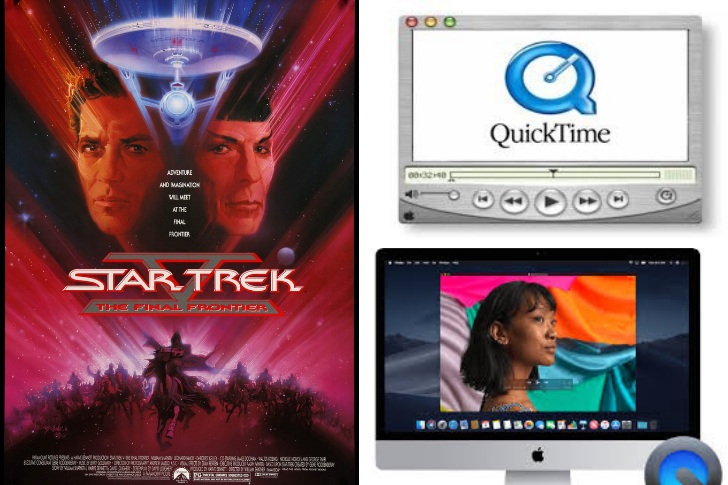
The infamous Sci-Fi series Star Trek: The Next Generation, like many other technological marvels, showcases characters listening to multiple music tracks on his computer. In the episode it allows users to explore a computer-generated simulation of the spacecraft USS Enterprise NCC-1701-D, the principal setting of the series. Apple scientist Steve Perlman says that he got the idea for the groundbreaking multimedia program QuickTime after watching an episode of “Star Trek: The Next Generation. QuickTime is essentially an extensible multimedia framework developed by Apple Inc., capable of handling various formats of digital video, picture, sound, panoramic images, and interactivity. It is available for both Mac and Windows (PC) operating systems. It used to be an optional component, but is now a standard part of the Mac OS installation.
Laser Beams - The Fatal Eggs
[the_ad id="14919"]
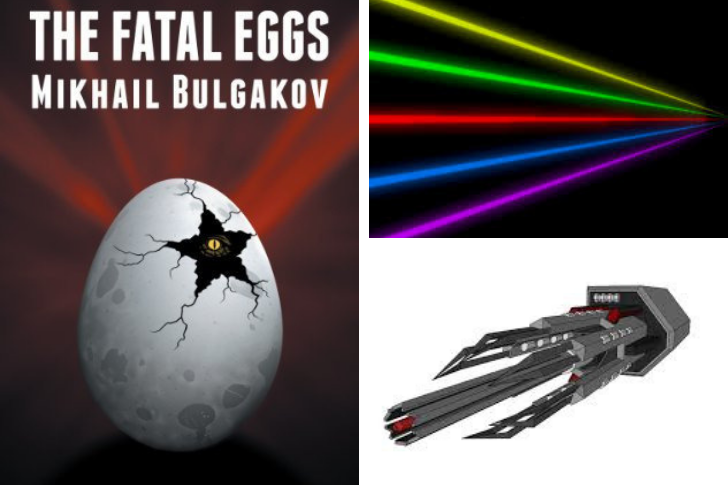
Who needs bullets when you can fire far more futuristic beams of destructive energy? The form factor and scale of these weapons has varied depending on the story. While most credit H.G. Wells with the idea, Mikhail Bulgakov actually proposed a laser-producing experiment in his 1925 novel, The Fatal Eggs. Nearly 40 years later, Bulgakov’s experiment would be recreated to produce laser beams in real life. Known as Rayguns, they also fleetingly appear as a reference in Victor Rousseau’s 1917 The Messiah of the Cylinder. Real life laser guns range from DIY efforts like a terrifying 200W laser cannon, 400x more powerful than the most dangerous laboratory lasers, to Lockheed Martin’s modular ATHENA laser cannon. In the future, the defense giant claims its laser cannons will help protect soldiers from threats such as swarms of drones.
Wall Mounted TV - Fahrenheit 451

[the_ad id="14919"]
A 1953 novel, Fahrenheit 451, written by Ray Bradbury includes several high-end devices that are still considered as concepts. He also described a flat screen TV with a high fidelity sound system in a big entertainment room called parlors. Therefore, inspired by that, the first flat display was produced in 1958 for the military use. Later in 1964, plasma display was invented at the University of Illinois. The majority of the today’s TV’s market is dominated by the flat display TVs. The first flat-screen TVs offered had few practical uses. They were monochrome displays and were extremely expensive to produce. Using the flat-screen TV technology, a Panasonic engineer named Larry Weber invented the present-day version of the plasma TV. This television was full color and was very thin and lightweight. Panasonic began selling the TV in 1997. It is an entertainment item found in almost all households today.
Hand-held Medical Diagnostics Tool - Star Trek
[the_ad id="14919"]
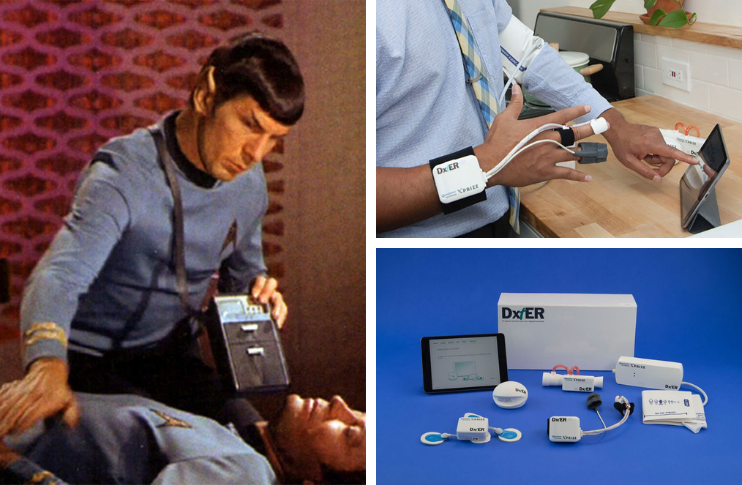
Medical Diagnosis are a long and tiresome process. Not only can they include a certain degree of pain, but the wait for the results is another hassle which none of us wish to deal with ever. Thus, often times during our tests, we think about the fictional device used in Star Trek by doctors called the tricorders. The doctors would simply hover the tricorder above the patient and the device would run the tests and deliver a medical diagnosis — how utterly fascinating. The medical industry has also been fascinated with this fictional object and even held a challenge to invent the first ever tricorder. There was a winner and currently, that team is undergoing some further testing on their prototype before making it available for the people — what a time to be alive!
Needle-Less Injections - Star Trek
[the_ad id="14919"]
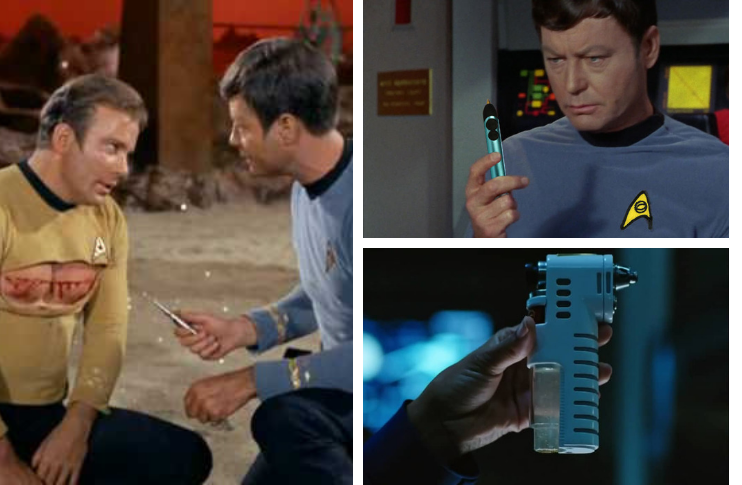
Remember how we mentioned that Star Trek includes various fictional devices that we would kill to achieve? Well, that is indeed true as one of the most fascinating objects that it includes is the needle-less injection. To all those afraid of needles, you know the possibilities we speak of! In Star Trek, the device was known as hypospary which delivered the necessary medication through the skin without the need to penetrate it with the aid of a needle. Today, inspired from the brilliant Star Trek, scientists have went on their create their own hypospray and it is capable of penetrating any medication through the skin with the use of high pressure. This is a breakthrough in the medical industry and hopefully, the device will be available in all clinics and hospitals around the globe soon!
Mood Enhancing Pills - Brave New World
[the_ad id="14919"]
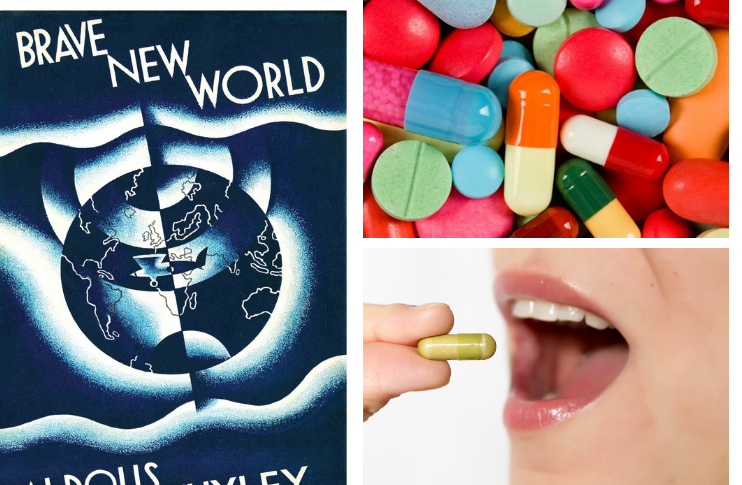
In today's world, we see a lot of societies dependent upon prescribed medication for their mood or some other bodily functions like sleeping as most of these pills come with an addiction effect. Many people have compared this phenomena with that described in the novel, Brave New World, where the government would distribute mood enhancing pills to the masses which would bring the user feeling of being calm. It was a tactic which drive them all away from the feeling of being dissatisfied. Today, we can see this world of fiction overlapping with the world of fact, producing a eerie sort of feelings. Nevertheless, it is true what everyone says: Fiction can inspire a great deal of reality.
Bionic Limbs – Cyborg
[the_ad id="14919"]
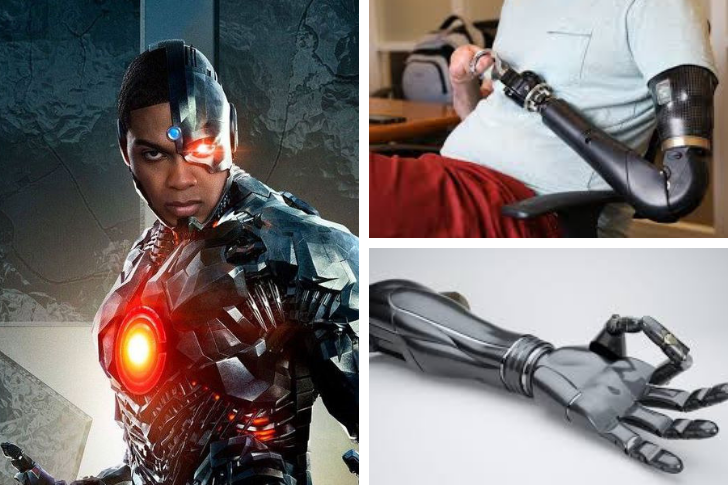
Pilot Steve Austin, from the movie Cybrog, crashes in flight and loses his legs, left arm, and an eye. His legs and left arm are replaced by a team of doctors with bionic limbs — leaving him a Cyborg (part man and part machine) Prosthetics have been mentioned throughout history. Egyptians were early pioneers of the idea, as shown by the wooden toe found on a body from the New Kingdom. In 1993, Robert Campbell Aird, a muscle cancer survivor and amputee, was given the world’s first bionic arm at the Margaret Rose Hospital in Edinburgh, Scotland. He was able to operate this arm through a cap with micro-sensors which detected electrical brain impulses being sent to the “limb.” Today, researchers are building man-made organs that contain living human cells. Advancements in bionic livers, kidneys, lungs, and hearts are poised to end live-organ transplants.
The Defibrillator – Frankenstein
[the_ad id="14919"]
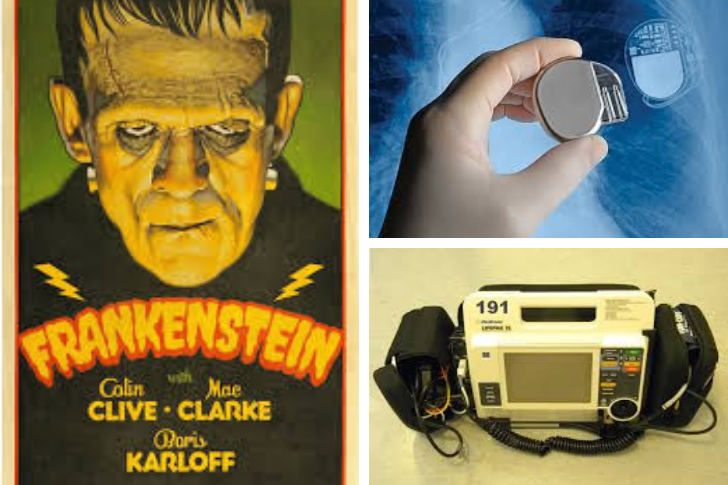
Mary Shelley’s book Frankenstein didn’t just raise the notion of using electricity to create life. In fact, numerous medical experts have cited Shelley’s novel as the inspiration behind the modern defibrillator. A defibrillator delivers a dose of electric current (often called a counter shock) to the heart. Although not fully understood, this would depolarize a large amount of the heart muscle, ending the dysrhythmia. Subsequently, the body's natural pacemaker in the sinoatrial node of the heart is able to re-establish normal sinus rhythm. It is a proven concept that the only effective treatment for ventricular fibrillation (VF) is prompt defibrillation. A study published in an October 2000 issue of the New England Journal of Medicine suggests that survival rates are highest when defibrillation is delivered within three minutes of the time after a sudden cardiac arrest.
Retinal Implants – Star Trek
[the_ad id="14919"]
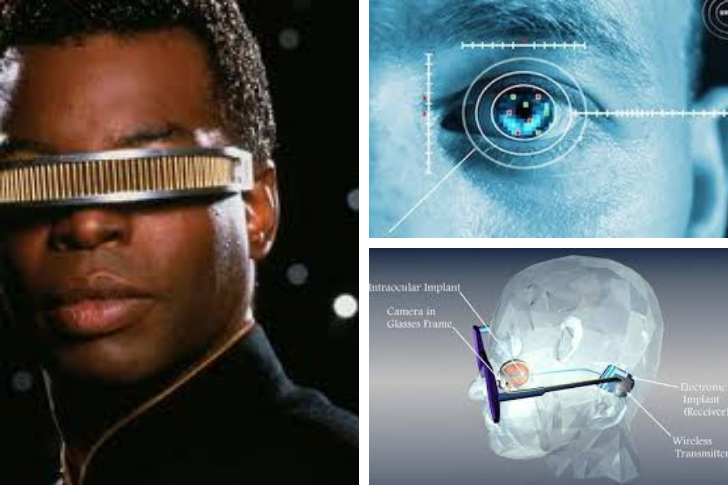
Like many other cool technological inventions, Star Trek has more in store. Geordi La Forge (who is blind) from Star Trek used a VISOR to see somewhat similarly to others. Today, the technology is known as retinal implants. This tech has been approved and is currently being implanted in patients. Retina implant technology involves the use of microelectronics and microchip electrodes surgically implanted into the back of the eye (retina) to restore the function of the damaged light-activated cells found there. Retinal implants introduce visual information into the retina by electrically stimulating the surviving retinal neurons. So far, elicited percepts had rather low resolution, and may be suitable for light perception and recognition of simple objects. Optimal candidates for retinal implants have retinal diseases, such as retinitis pigmentosa or age-related macular degeneration.
Energy Weapons - Star Wars
[the_ad id="14919"]
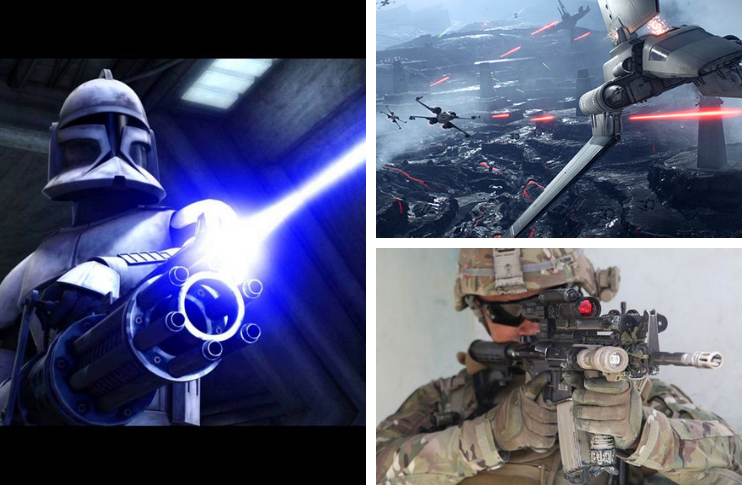
In all science fiction movies that include the outer space, we get to see weapons functioning on energy. Instead of shooting bullets or other material out of the guns, they normally shoot light which looks like lasers and gives a "pew pew" sound. Come to think of it, having weapons which function on energy rather than actual bullets is a lot more cost-effective. Taking inspiration from various of these movies, including the infamous Star Wars, NASA is currently developing weapons which are similar to these fictional energy weapons which might come to replace the ones we know of today. Truly, science fiction has paved way for brilliant minds to elaborate on the creative ideas and make it a reality. From fact to fiction, we owe the invention of most of our technology to science fiction.
Taser - Tom Swift And His Electric Rifle

[the_ad id="14919"]
Tasers are a brilliant device which are very effective for personal use as well as for use in forces such as police force. With just a simple click, an individual can protect themselves against an attacker. Tasers are especially famous for women to use as a great defence against any rapists. The origin of tasers is interesting as well as they actually are inspired from Tom Swift, a novel series. One of the novels, titled Tom Swift And His Electric Rifle contained the invention of electric gun. Taking inspiration from it, a NASA researcher, Jack Cover, went onto invent "Tom A. Swift's Electric Rifle" or TASER for short. Most of us know tasers as taser, however, knowing this fact, the acronym suddenly seems quite more interesting and fascinating.
CCTV Surveillance – 1984
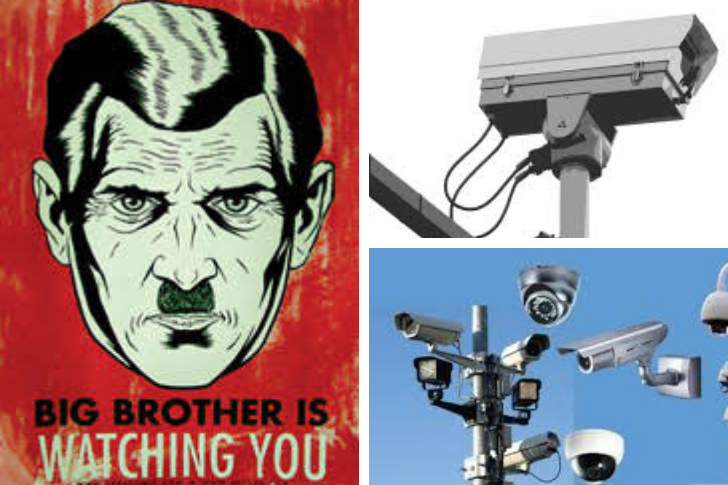
[the_ad id="14919"]
The dystopian concept of Big Brother originated with 1984, leading to the term Orwellian entering everyday practice to describe a totalitarian state characterized by surveillance, misinformation, and propaganda. In the novel, Tele-screens are used to watch a person’s every move — a blatant act of surveillance, as the government’s total control has removed any pretense of privacy. In 1942, just three years after 1984 was published, closed-circuit television (CCTV) was used for the first time to monitor the launch of a V2 rocket in Germany. Today, surveillance goes miles beyond simple public video monitoring. Currently, over 32 CCTV cameras operate within 200 yards of the house where Orwell wrote 1984. CCTV cameras are beneficial for a number of reasons such as improved insurance fraud determine criminal activity, peace of mind and they are cost effective.
Radar – Ralph 124C 41+
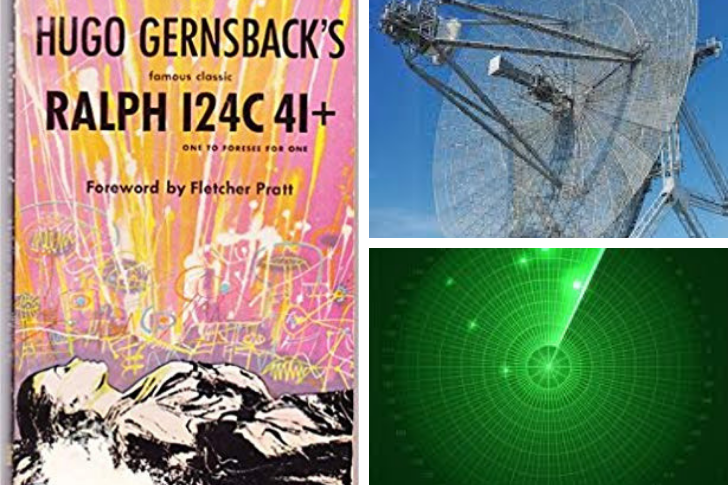
[the_ad id="14919"]
Hugo Gernsback came up with the idea for radar in Ralph 124C 41+. Radar is a detection system that uses radio waves to determine the range, angle, or velocity of objects. Inspired by the Sci- Fi depiction, radar was developed secretly for military use by several nations in the period before and during World War II. A key development was the cavity magnetron in the UK, which allowed the creation of relatively small systems with sub-meter resolution. The term RADAR was coined in 1940 by the United States Navy as an acronym for RAdio Detection And Ranging. It can be used to detect aircraft, ships, spacecraft, guided missiles, motor vehicles, weather formations, and terrain. Radar is a key technology that the self-driving systems are mainly designed to use, along with sonar and other sensors.
Submarines -20,000 Leagues Under the Sea
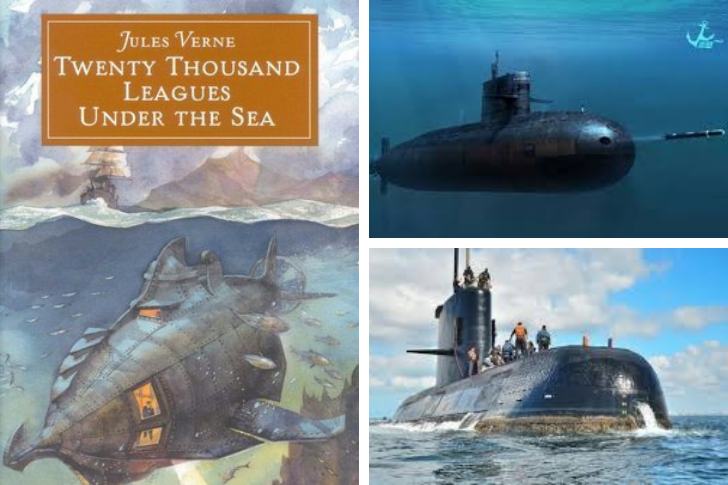
[the_ad id="14919"]
Sometimes it’s so hard to believe that so many sci-fi writers’ predictions have come true. French writer Jules Verne’s predictions were especially on point, like in 20,000 Leagues Under the Sea, written in 1869, where his characters used a submarine-like device to get around beneath the waves. Although experimental submarines had been built before, submarine design took off during the 19th century, and they were adopted by several navies. Submarines were first widely used during World War I (1914–1918), and are now used in many navies large and small. There a several practical uses of submarines such as Military uses include attacking enemy surface ships, Civilian uses marine science and Submarines can also be modified to perform more specialized functions such as search-and-rescue missions. Submarines are also used in tourism, and for undersea archaeology.
Biometric Face recognition - Star Trek
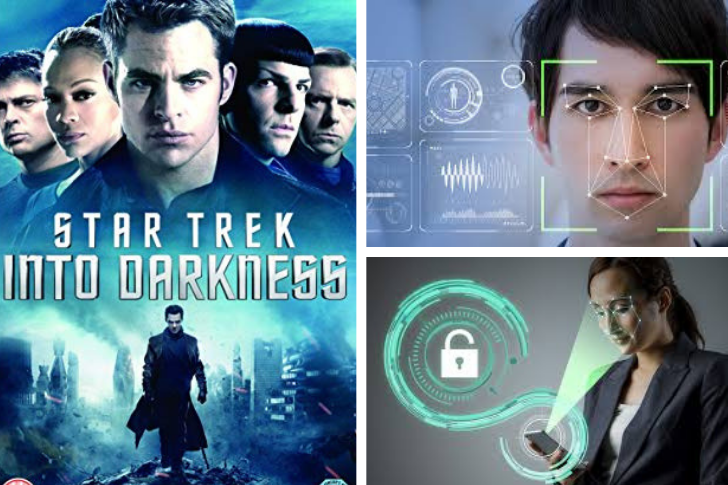
[the_ad id="14919"]
Star Trek into Darkness showcases the use of facial scans in order to get to unlock the archives. The movie inspired the facial recognition system which is a technology capable of identifying or verifying a person from a digital image. They work by comparing selected facial features from given image with faces within a database. While initially a form of computer application, it has seen wider uses in recent times on mobile platforms and in other forms of technology, such as robotics. It is typically used as access control in security systems and can be compared to other biometrics such as fingerprint or eye iris recognition systems. The technology is quite useful in a lot of aspects. Facial recognition systems can monitor people coming and going in airports. Furthermore, its most commonly used for Face ID authenticates — it makes sure you’re you when you access your phone.
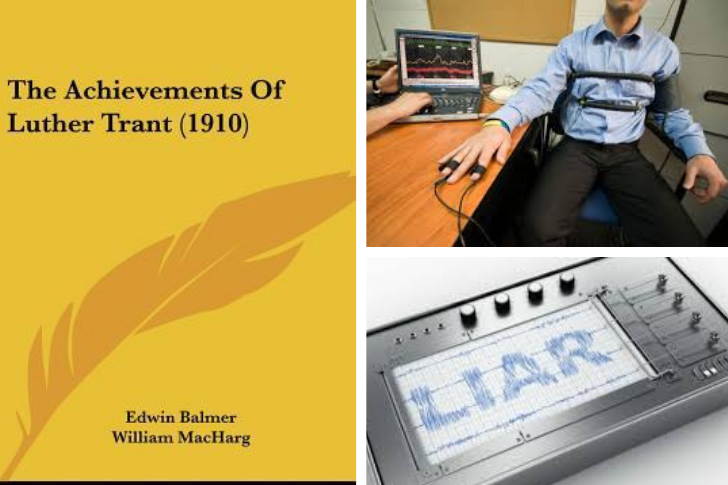
Polygraph – The Achievements of Luther Trant
[the_ad id="14919"]
Trant, an assistant in a psychological laboratory turned detective, uses psychological tests to solve crimes. The Man Higher Up, is notable for the first appearance in fiction of the principle of the modern lie-detector. Known as the polygraph, the technology was later invented in 1921 by an inspired John Augustus Larson, a medical student at the University of California, Berkeley and a police officer of the Berkeley Police Department in Berkeley, California. It is a device or procedure that measures and records several physiological indicators such as blood pressure, pulse, respiration, and skin conductivity while a person is asked and answers a series of questions. Polygraph examiners, or polygraphers, are licensed or regulated in some jurisdictions. They are a great tool that can really aid case investigations in police stations and other law enforcement agencies.
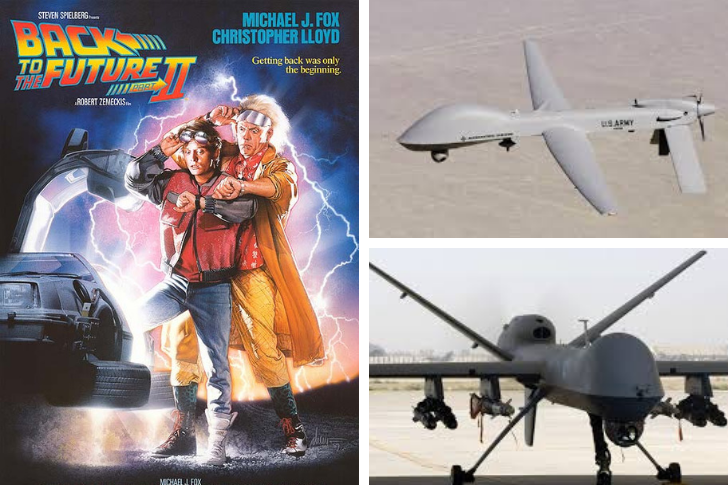
Drones – Back to the Future II
[the_ad id="14919"]
In the science fiction film, a future timeline depicts a news outlet drone videotaping the arrest of a criminal. A Drone is essentially is an aircraft without a human pilot on board. Drone innovations started in the early 1900s and originally focused on providing practice targets for training military personnel. UAV development continued during World War I, when the Dayton-Wright Airplane Company invented a pilotless aerial torpedo that would explode at a preset time. While they originated mostly in military applications, their use is rapidly expanding to commercial, scientific, recreational, agricultural, and other applications. Further applications include policing, peacekeeping, and surveillance, product deliveries, aerial photography, smuggling, and drone racing. Civilian UAVs now vastly outnumber military UAVs, with estimates of over a million sold by 2015.
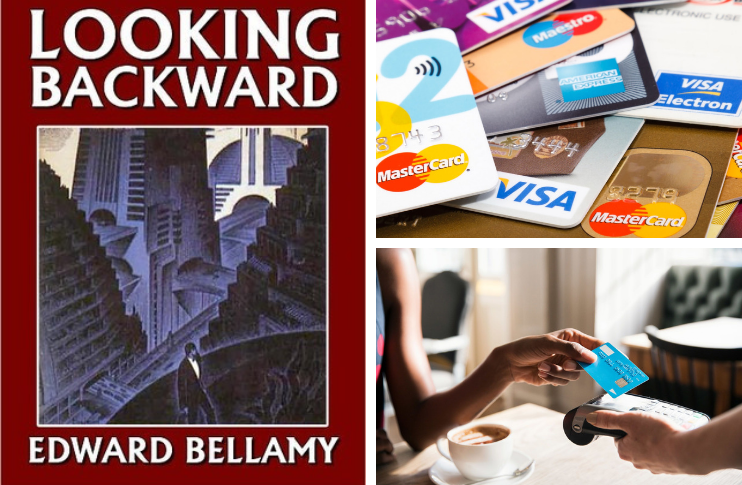
Credit Cards - Looking Backward
[the_ad id="14919"]
Carrying cash is a hassle we do not look forward to anymore. Thanks to the brilliant invention of credit cards, all of our wealth is safe and easy to carry around in a simple card. This wasn't always an option, though. As a few decades ago, credit cards were just a work of fiction in the novel, Looking Backward. The novel written in the 1800s imagine the world in the year 2000. While many of its predictions are wrong, there is one prediction or imagination in it which is of the credit cards. Every detail of the credit cards is accurate and we can deduce that this novel might have been the reason for its eventual invention. Nevertheless, we are thankful for it making our lives much more comfortable.
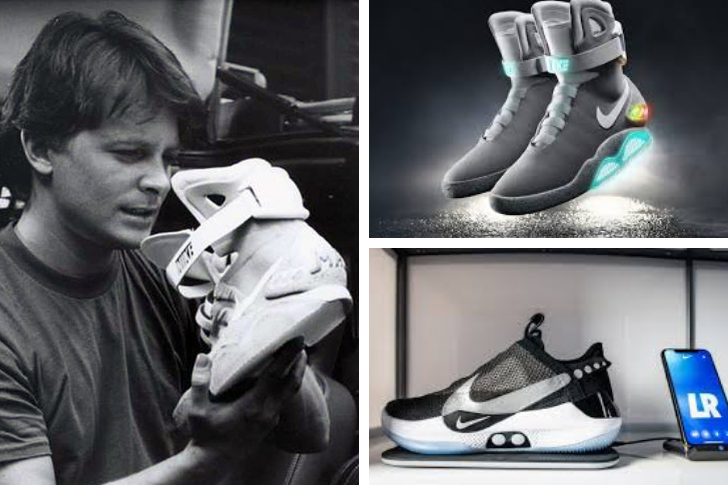
Self-tying Shoes - Back to the Future Series
[the_ad id="14919"]
One of the coolest and most practical inventions from the Back to the Future series were Marty McFly’s self-tying shoes. It is the future of footwear. When you Step into this show it comes to life. It lights up when you put it on. It senses you. Inspired by them, fit with power laces, Nike released its first pair in 2015. Nike’s E.A.R.L. (Electric Adaptable Reaction Lacing) is the technology that makes self-lacing shoes possible. It electronically adjusts the lacing, pressure and fit to the contours of your foot. The self tying shoes adjust to the shape of your foot and activity in real time. You run, it runs. You jump, it jumps. It's a revolution disguised as a robot, disguised as a self-lacing shoe. Once your heel hits the sensor, E.A.R.L. automatically tightens until the fit is perfect.
Automatic Motion Sensing Doors – When the Sleeper Wakes

[the_ad id="14919"]
When the sleeper wakes showcases two men fall through a long strip of this apparently solid wall rolled up with a snap. This was the first ever appearance of an Auto – Sensing Door. This inspired the invention of the first real life automatic sliding doors for use by people was invented in 1954 by Lew Hewitt and Dee Horton; the first one was installed in 1960. It made use of a mat actuator. Automatic doors not only offer convenience to users but also various benefits such as energy saving, security, and hygiene. Automatic doors are accessible so they are widely used at high traffic places like commercial buildings, hotels and public facilities to show care and good customer service. They also barrier free so they provide excellent customer service by allowing everyone enters easily, regardless of their ages or physical capabilities.